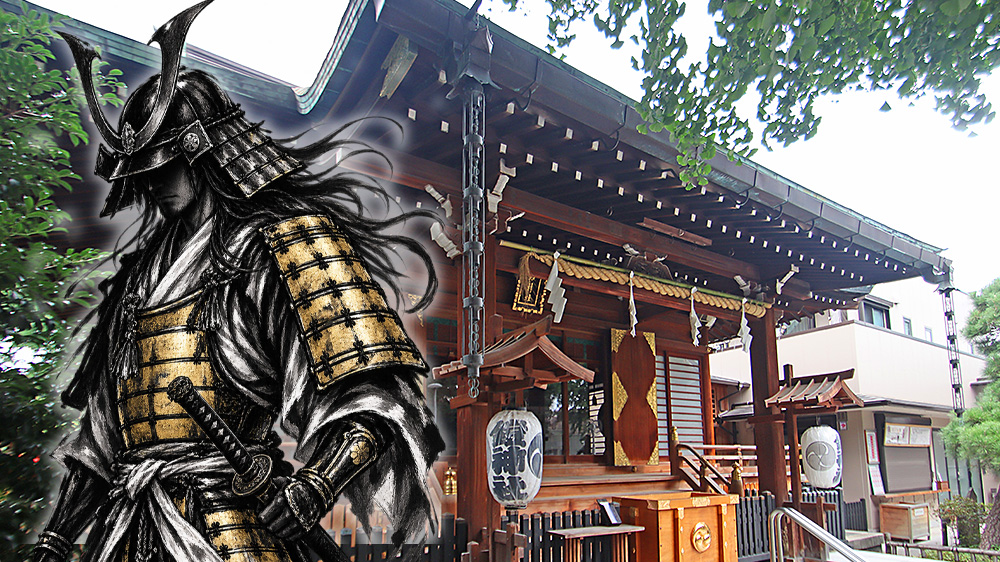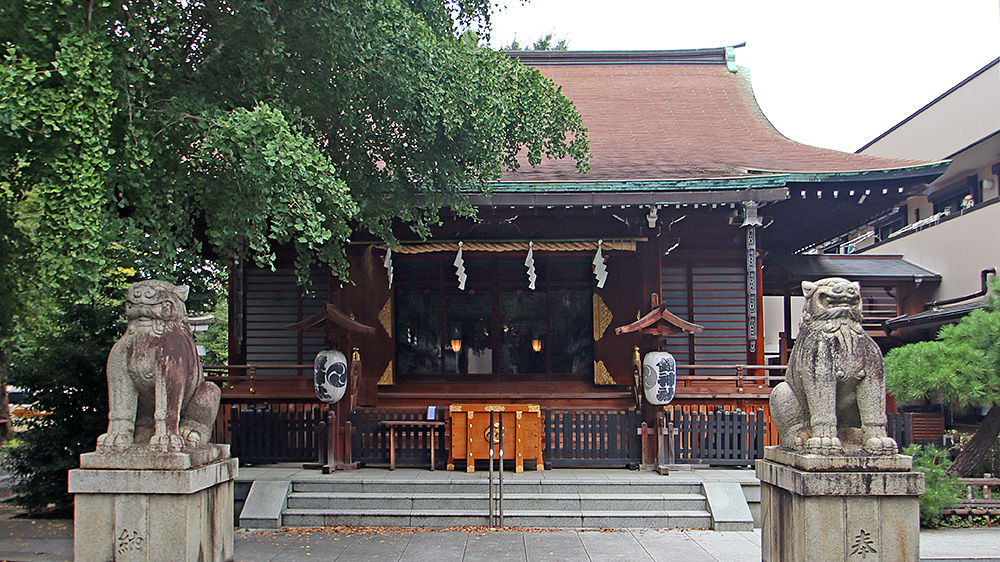
yYokai & Mysteryz@ The armor (Yoroi) of "Heroe & Enemy of the imperial court" is enshrined. (Tokyo pref.)

In this context, "Hero" refers to Yamato Takeru, who, in ancient Japan, seized control of the Tohoku region at the behest of the imperial court.
@While "Enemy" refers to Taira-no Masakado, who rebelled against the imperial court more than 800 years later.

Coincidentally, there is a legend that when these two sides began their respective battles, they buried their armor in this place to pray for victory.

As a result, this shrine is now treated as a shrine dedicated to "Two Heroes who transcended time." @@(Nihedon @ KesaranPasaran Lab)

@

Taira-no Masakado (who hailed from the Kanto region) rebelled against the mediation of the time, even though he himself claimed to be the "New Emperor."

However, during the Edo period, when Kanto became the center of Japan, Masakado came to be worshipped as the undisputed "Guardian of Kanto."

Therefore, various historical sites related to Masakado still remain throughout the Kanto region.

@

In Japan, there was once a custom called "Koushin-machi."

This custom stemmed from the belief that on the 23rd night of the lunar cycle, insects residing within a person's body would leave and report their misdeeds to the gods. Therefore, people would stay awake all night to prevent the insects from leaving their bodies.

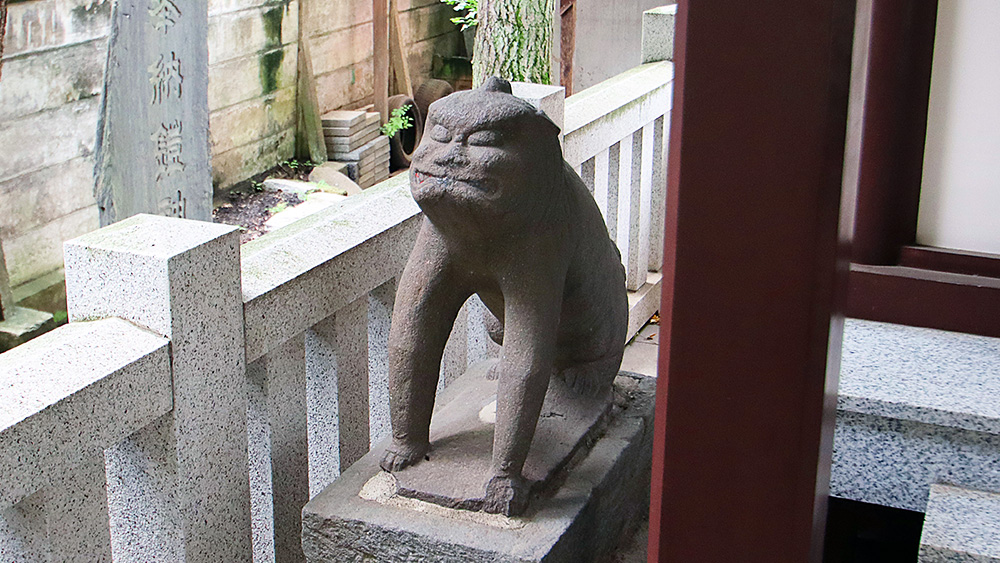
The place where "Koushin-machi" was performed was called "Koushin-dzuka," and the "Koushin-dzuka" at Yoroi Shrine features extremely rare guardian lion-dogs like the one pictured.

@

ACCESS :

œ11-minute walk from JR Okubo Station

œ14-minute walk from JR/Toei Oedo Line Higashi-Nakano Station

@

Official site

@